Peptide Coa Overview Just How To Review Screening Records
Coa
Comparison of internal laboratory evaluation and independent third-party screening utilized to confirm logical outcomes for research peptides. Together with chromatographic methods, mass spectrometry contributes to the more comprehensive structure used in evaluating lab-tested peptides. Another analytical method typically referenced in peptide paperwork is mass spectrometry. In peptide evaluation, the main optimal on the chromatogram often corresponds to the anticipated compound. Added heights might stand for other observable parts present in the example. One of one of the most regularly utilized strategies in peptide pureness screening is high-performance fluid chromatography, frequently abbreviated as HPLC.- If those aspects are all noticeable and make sense together, the COA becomes much easier to analyze.
- For laboratories that consistently manage many batches, knowing exactly how to review a CoA promptly and precisely is important.
- We do not give pharmaceutical intensifying solutions, clinical preparations, or any products for medical or therapeutic usage.
- William is a research expert at Peptides Lab UK, specialising in research study peptides, lab substances, and sourcing criteria for high-purity peptide products.
- It's not an assurance or a guarantee about what the product will do.
A portion by itself can be beneficial, yet purchasers must constantly read it in context. The outcome matters most when it is sustained by the method made use of, the set referral, et cetera of the file framework. A Certification of Analysis (COA) is a file from an independent third-party research laboratory that confirms the identity, pureness, and top quality of a peptide product. Every Midwest Peptide product includes a COA, due Buy from Direct SARMs to the fact that our team believe openness is the foundation of count on. In the context of research peptides, the COA supplies proof that logical testing was carried out and that measurable attributes of the compound were recorded. While the precise design may range laboratories, a lot of COAs include comparable core parts.
Aspects such as column kind, solvent gradient, discovery wavelength, calibration criteria, and example preparation can all influence the final reported purity. Also when testing the same material, different labs might produce slightly various outcomes due to these variables. A COA is an important file, yet it ought to not be the only variable buyers use when examining a study peptide vendor. It is likewise important to take a look at just how the supplier provides item info across the site. A supplier-issued COA can still work when it is batch-specific, understandable, and constant with the product being marketed. The key inquiry is whether the paper supplies enough clarity and traceability for buyers to examine it with confidence.Check Item And Batch Suit
Each batch is made under stringent quality assurance with documented treatments at every action. Products offered by Peptides Source are not authorized by the U.S . These items have not been evaluated by the FDA for safety and security, efficiency, medical diagnosis, treatment, prevention, or cure of any type of condition or clinical problem.Verification Methods
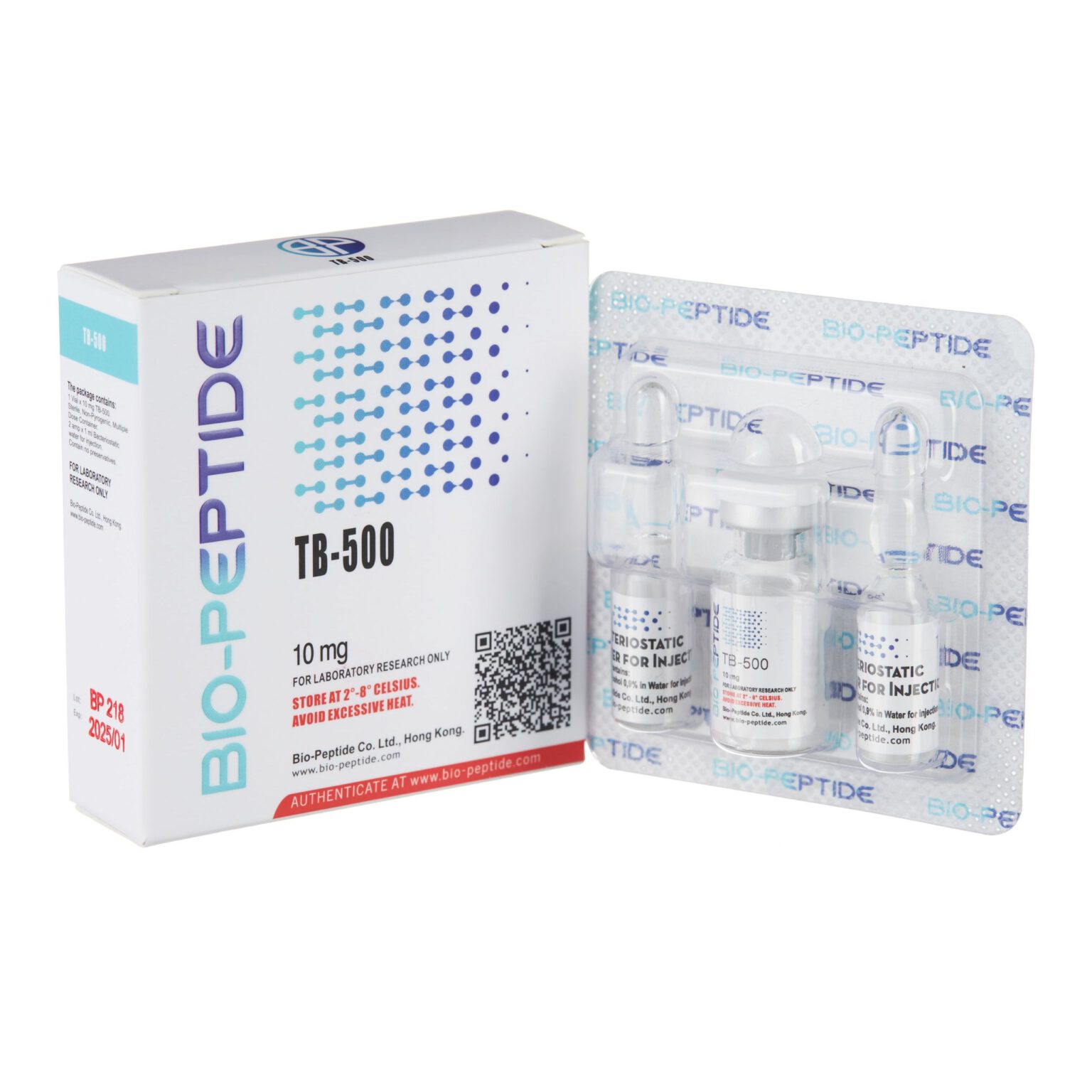

The procedure of building a peptide CoA starts throughout production. As sets are made, examples are sent via laboratory testing to gather data. This includes numerous examinations, several of which are typically made use of throughout the peptide study area. Clear screening and paperwork are both essential parts of quality lab study. From the beginning of a study to the last analysis, scientists need to trust the materials they're dealing with. This is where a Certification of Evaluation, or peptide CoA, usually comes into play.Reputable labs maintain testing records and can confirm credibility when provided with batch numbers and testing dates. Amino acid evaluation (AAA) quantifies the specific amino acids existing after total hydrolysis of the peptide. This technique verifies that the proper amino acids exist in suitable ratios, providing additional identity verification beyond mass spectrometry. The item recognition area defines the peptide name, molecular formula, molecular weight, and Chemical Abstracts Service (CAS) number when appropriate. Several distributors of lab-tested peptides and third-party evaluated peptides publish COAs to show transparency concerning their screening processes. These reports permit scientists to assess analytical proof rather than counting only on detailed item details. A lot of COAs that flow in the research peptide market are technically compliant and virtually worthless. Knowing the difference between a COA that passes the checklist and one that confirms what you are really holding is the ability this overview covers. For the underlying lab approaches, see our peptide pureness testing source.